
Visit to Juan de la Barrera in Mexico

This week, families of the John Stanford International school in Seattle, were visiting their sister school in the outskirt of Puerto Vallarta: Escuela Primaria Juan de la Barrera.

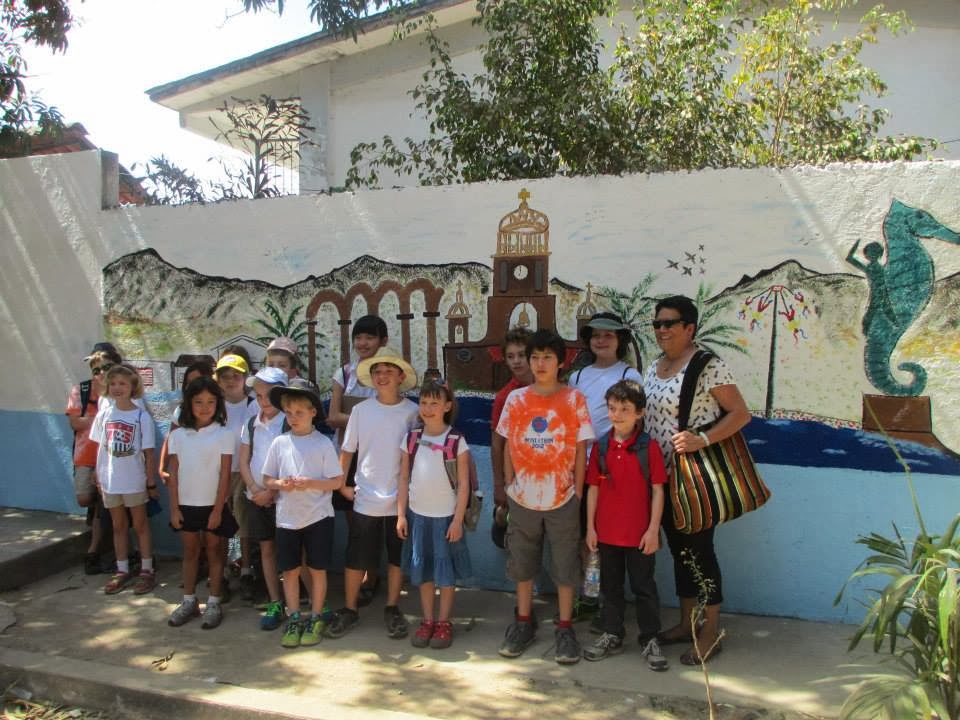


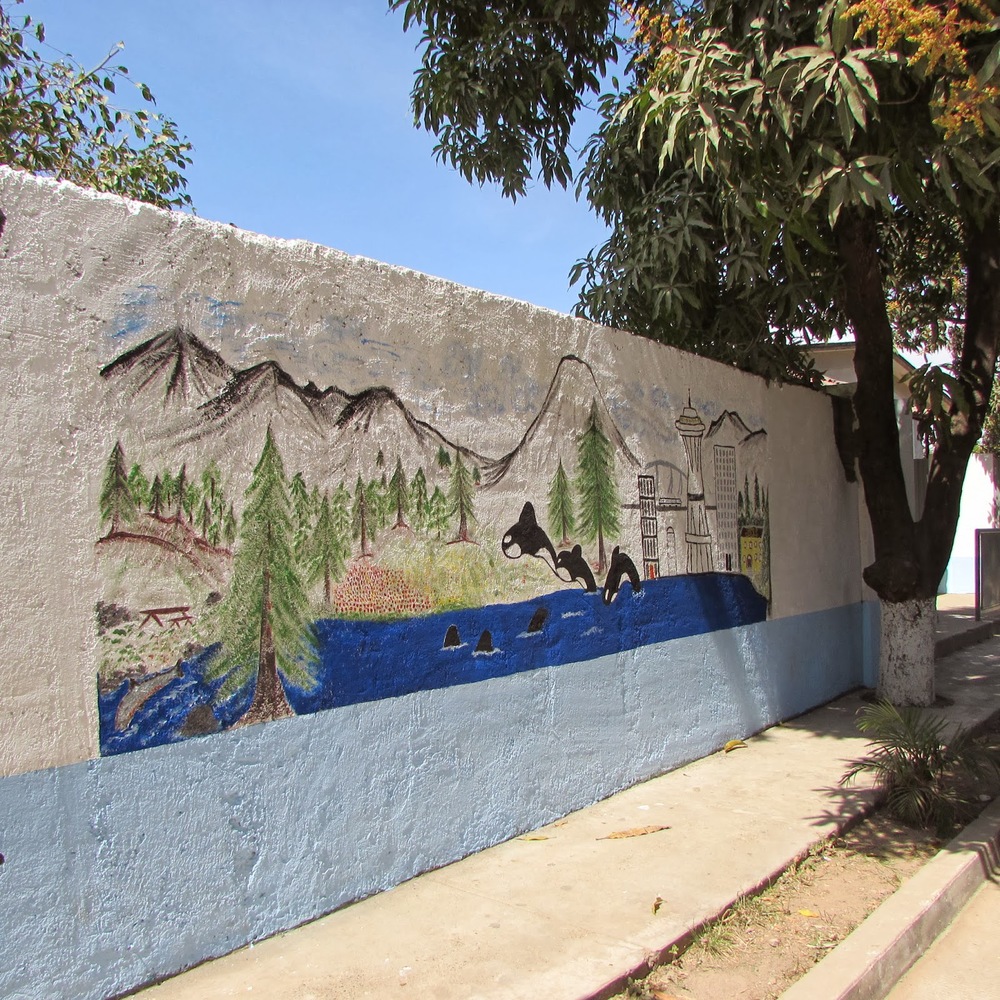
The American kids (about 15 students) joined their counterparts in classes in the morning, while the parents did some work for the school. This year, it was a mural depicting the exchange in between the 2 schools (the symbols of Puerto Vallarta on one side, and the symbols of Seattle on the other).


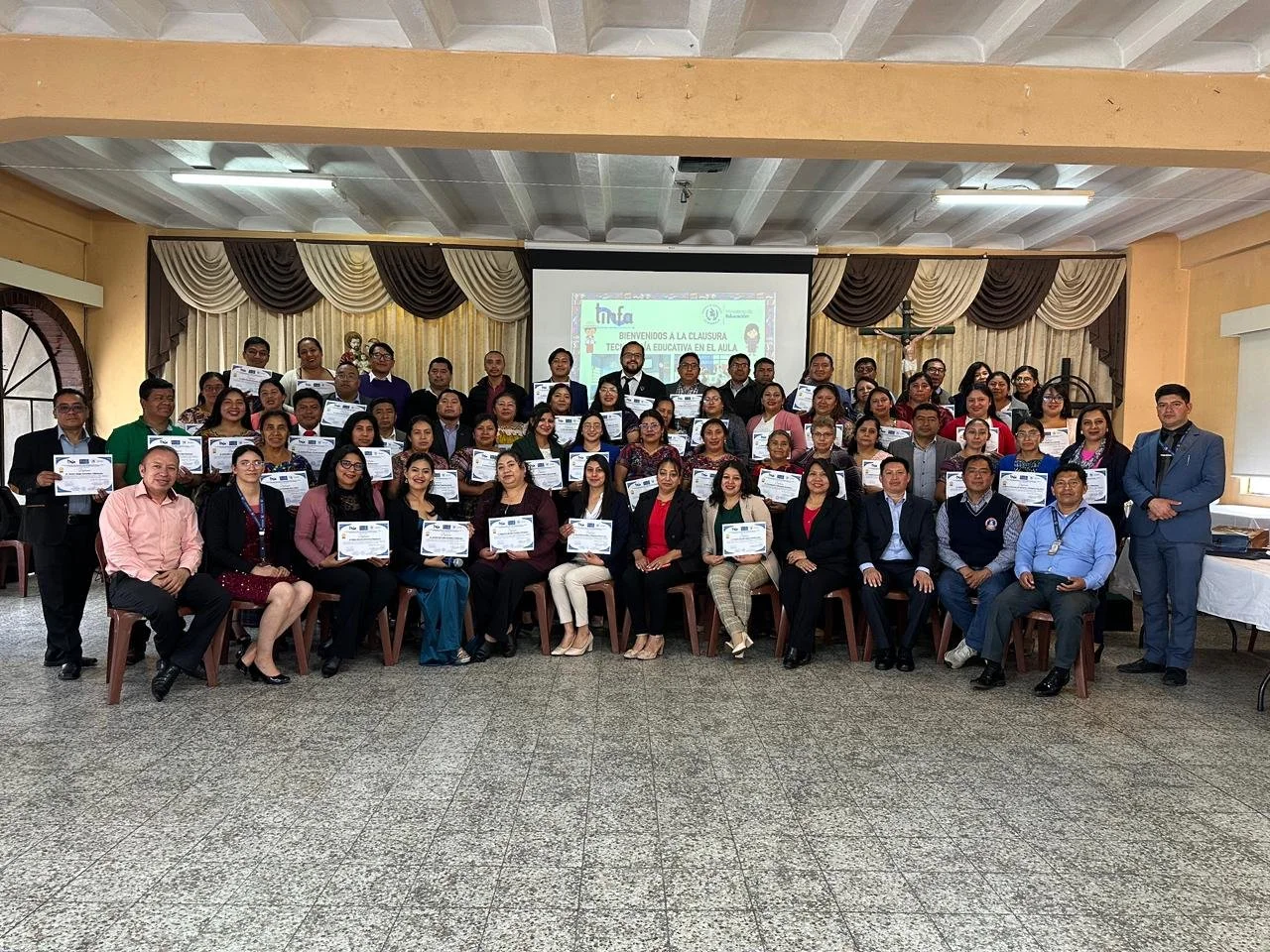
The feedback from the teachers attending the computer training facilitated by TINFA was very positive. Not only did it benefit the teachers of JdlB, but also one Elementary schools teacher from each of the Elementary schools of the district. Thank you to our partner Principal, Juan Montero, for your leadership on this!  
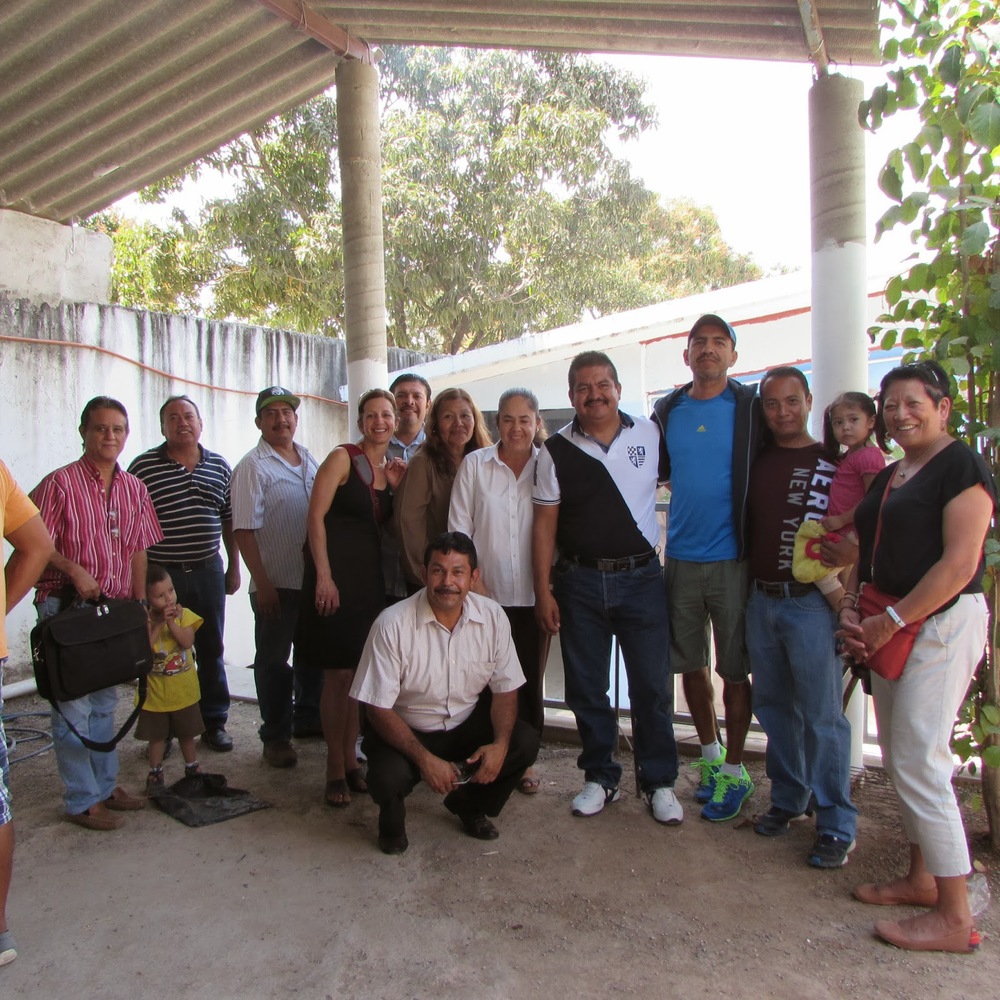
The proud teachers!


We had some good discussions with the teachers related to continuing virtual exchanges  in between the 2 schools. At least 2 to 3 teachers are willing and ready to start on the Mexico side!

I also visited several other schools in the area. (3 primary and 2 middle) and had good discussions with their administration and some of their teachers. There are great potential for additional TINFA partners, as well as additional virtual exchanges with other schools in Seattle.


www.tinfa.org

Virtual Exchange No 2 : Juan de la Barrera (Mexico) and John Stanford International (USA)

Yesterday, we had another virtual exchange in between 4th grade class of Juan de la Barrera Elementary in Jalisco - Mexico and 4th grade class of John Stanford International School in Seattle, USA.

This is the second in a series of four exchanges that these two classes will do together this year. Both classrooms were on Skype, and thanks to the projector that JSIS donated to JdlB, the entire classes on both sides were able to participate. 

The module that we explored this time is "Comparacion de la gente nativa de nuestra region" (presentation and comparison of the native people of our region). This is a culminating activity for JSIS of a 2 month study of the native people of the Northwest, and a module that the school in Mexico has also been studying.

The exchange was entirely in Spanish on both side. 

During this exchange, the students were able to present some of their research on the type of habitat, clothing and food that the native people of their region were using, and compare it to the ones of the natives of the other location (on the same coast line, but over 2,500 miles from each other). 

The exchange lasted approximately 45min. Here are few of the comments the students at JSIS.

"they were talking very fast. It was hard to understand". One of the student said, "i wish I got to know more of the students in the other school". This, we are hoping will happen,  little by little, with these quarterly interactions.

Thank you to Maestra Priscilla and Maestro Everardo for your work on this module. Thank you Michelle , for the technical assistance!

The next module, in April will focus on nutrition.  Stay tuned!

www.tinfa.org

Midway point on Guatemala project

This is the midway point of project in Guatemala and it is going strong! 


The collaboration with our local partner, FUNDAP is enriching and  full of complementary skills.
  • We have identified the 3 pilot schools we are working with
  • We have defined the technology kit that strikes the right balance of affordability and effectiveness.
  • We have installed the kit in each of the schools
  • We have created and provided a setup, usability training and conducted a mockup class for the teachers of the schools
  • We have defined the criteria of measurement (attendance to school, moving to the next grade, repeating a grade, leaving school, as well as attitude towards learning). 
  • We are visiting the schools monthly, to support the adminsitration, listen to teachers on their challenges, train teachers on lesson plans including virtual tools tailored to their need and relevant to their curriculum. 
  • We conduct monthly skype meetings with the schools for technical support, capacity building and follow ups.

In other words, the project is in full speed. More photos to come soon.  

www.tinfa.org

Resilience

 (Photo from http://www.fastcompany.com/)
Today, I went to the Global Washington conference on Global development, here in Seattle. I got a lot out of the conference and am thankful to be in a region so interested in this sector.

If there was one word, for me to reflect on, after this day it would be RESILIENCE.

I knew the opening speaker Deogratias Niyizonkiza, from Tracy Kidder's book "strength in what remains". Deogratias's story of surviving the most horrific genocide in Burundi, getting to Harvard, and starting his own organization, Village Health Works is unique and inspiring. What I did not know, is the struggles that he faced throughout the process, how he moved forward building his first clinic despite having the proper authorizations to start, nor the necessary funding.RESILIENCE.

Sam Daley-Harris, from Result, and whose work I know when I worked at Grameen, challenged us to  get out of our comfort zone. Activists and donors want more than a "one click and a check", which from Daley-Harris 's point of view is what you would expect from kindergarteners. He suggests that we reflect on our own stories of "why" ("I was born twice. The day I was born and the day I found out why"). This gives us the inspiration to move from hopelessness to hope, be more aspirational. Activist and donors want to be treated as capable adults. With the right mindset, a mindset of appreciation , and RESILIENCE (which he specifically spelled out as focus, structure and support)  "that's when the magic happens".

Finally, I had a chance to catch up with friends and acquaintances and particularly Rick from Water for Humans, whom I hadn't seen for 3 or 4 years . It was really neat to hear how his organization has really taken off this year. When asked what made a difference, he believed that it was thanks to couple of key partnership and RESILIENCE.

www.tinfa.org

First virtual exchange of the school year!

John Standford International School (JSIS) , an elementary school in Seattle WA, and Juan de la Barrera (JdlB), an elementary school in PV Mexico had their first virtual exchange today!
7 students from 4th grade at JSIS and the entire class of 3rd grade from JdlB connected through Skype, to share the conclusion of their discussions in class, as it relates to values with family, friends and at school.

Each student presented his/her own findings, and listened to the other school's finding.
Now each class is analyzing the information they received, to  find the differences and similarities.

www.tinfa.org